| Deshae Betts, IFBB Pro | Getting Started | 9 min read
Quick Workouts for Busy Parents: 30 Minutes or Less
Five complete 30-minute workout templates designed for parents with packed schedules. No excuses needed — just 30 minutes and access to a gym.
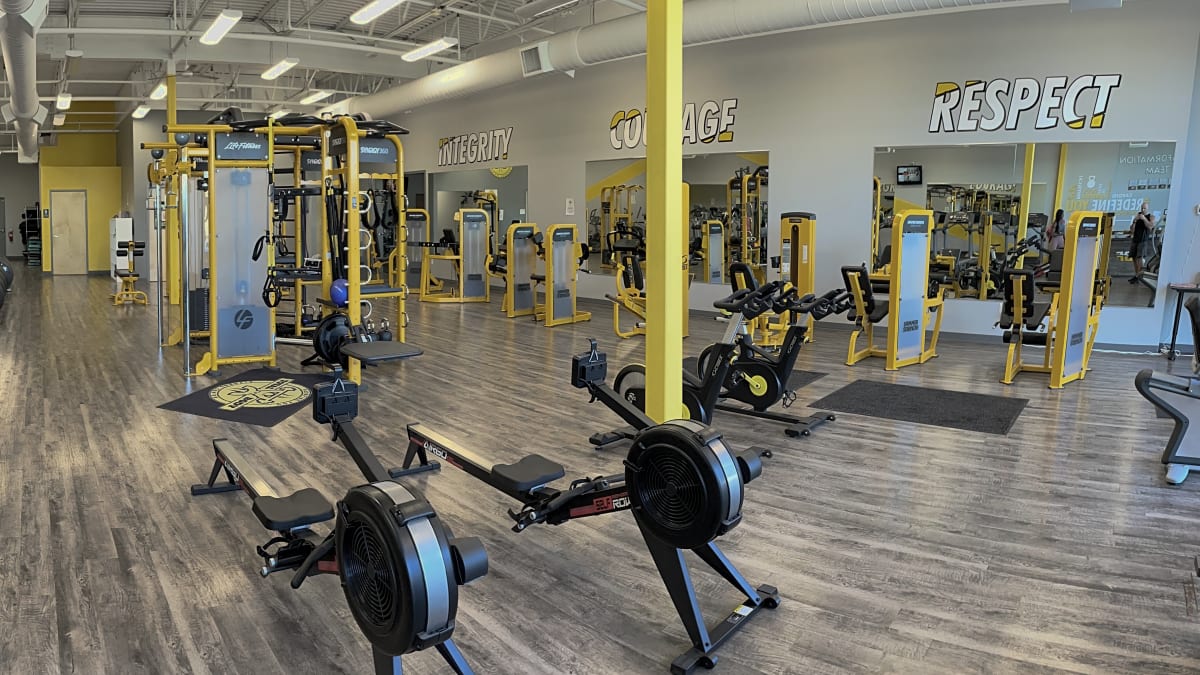
Thirty minutes of focused training beats zero minutes of “I’ll go when I have more time.” The CDC recommends 150 minutes of moderate-intensity exercise per week — that’s five 30-minute sessions, which is achievable even during the chaos of school drop-offs, soccer practice, and bedtime routines. Below are five complete workout templates you can rotate through, each designed to get you in and out of the gym in half an hour with real results.
Why 30 Minutes Is Enough
There’s a persistent myth that you need 60-90 minutes in the gym for a “real” workout. Research disagrees. A study published in the Journal of Strength and Conditioning Research found that shorter, higher-intensity resistance training sessions produced comparable strength and hypertrophy gains to longer sessions when total volume was equalized.
The key is efficiency: compound movements, controlled rest periods, and zero time spent scrolling your phone between sets. Thirty minutes of intentional work is more productive than an hour of wandering between machines.
The Five Workouts
Each template below is designed for a standard gym setup. Warm up with 3-5 minutes of light cardio (treadmill walk, bike, rowing machine) before any strength or HIIT session. That’s included in the 30-minute window.
Workout 1: Full-Body Strength
This is your bread and butter. Four compound movements that hit every major muscle group. If you only have time for two sessions per week, make them both this one.
| Exercise | Sets | Reps | Rest |
|---|---|---|---|
| Barbell Back Squat (or Goblet Squat) | 3 | 8-10 | 90 sec |
| Flat Dumbbell Bench Press | 3 | 8-10 | 90 sec |
| Barbell Bent-Over Row | 3 | 8-10 | 90 sec |
| Romanian Deadlift | 3 | 8-10 | 90 sec |
How it works: Move through each exercise sequentially. The 90-second rest keeps intensity high while giving you enough recovery to maintain good form. If you’re new to these movements, start light and focus on technique — our first week at the gym workout plan breaks down proper form for each.
Time breakdown: 5-minute warm-up + ~24 minutes of working sets and rest = under 30 minutes.
Workout 2: Cardio Blast (Treadmill or Bike Intervals)
Intervals burn more calories in less time than steady-state cardio and improve cardiovascular fitness faster. This works on a treadmill, stationary bike, or elliptical.
| Segment | Duration | Intensity |
|---|---|---|
| Warm-up | 5 minutes | Easy pace (RPE 3-4) |
| Work interval | 30 seconds | Hard effort — 85-90% max heart rate (RPE 8-9) |
| Recovery interval | 60 seconds | Easy pace (RPE 3-4) |
| Repeat work/recovery | 10 rounds | Total: 15 minutes |
| Cool-down | 5 minutes | Easy pace, gradually slowing |
RPE stands for Rate of Perceived Exertion on a 1-10 scale. An 8-9 means you’re breathing hard and can’t hold a conversation. A 3-4 is a comfortable pace where talking is easy.
How it works: The 2:1 recovery-to-work ratio lets you push genuinely hard during the work intervals without burning out halfway through. As your fitness improves, shorten the recovery to 45 seconds or lengthen the work interval to 40 seconds.
Time breakdown: 5-minute warm-up + 15 minutes of intervals + 5-minute cool-down = 25 minutes. Use the remaining 5 minutes for stretching.
Workout 3: HIIT Circuit
Minimal equipment, maximum effort. This circuit uses bodyweight movements and dumbbells with short rest periods to keep your heart rate elevated throughout.
Perform each exercise for 40 seconds, rest 20 seconds, then move to the next. Complete 3 rounds with 60 seconds rest between rounds.
| Exercise | Work | Rest |
|---|---|---|
| Dumbbell Thrusters (squat to overhead press) | 40 sec | 20 sec |
| Push-Ups | 40 sec | 20 sec |
| Dumbbell Reverse Lunges (alternating) | 40 sec | 20 sec |
| Plank Hold | 40 sec | 20 sec |
| Kettlebell or Dumbbell Swings | 40 sec | 20 sec |
How it works: Each round takes 5 minutes. Three rounds plus rest between rounds totals about 17 minutes of work. Add a 5-minute warm-up and a few minutes of cool-down stretching and you’re at 25-27 minutes.
Scaling: Use lighter dumbbells (10-15 lbs) if you’re just starting. Increase weight or add a 4th round as you progress. For a deeper look at building strength fundamentals, see our strength training beginner’s guide.
Workout 4: Upper/Lower Split
For parents who can get to the gym twice a week consistently, splitting upper and lower body lets you add more volume per muscle group than a full-body session. Alternate between these two on your training days.
Day A — Lower Body:
| Exercise | Sets | Reps | Rest |
|---|---|---|---|
| Barbell or Goblet Squat | 3 | 10-12 | 75 sec |
| Leg Press | 3 | 10-12 | 75 sec |
| Walking Lunges | 2 | 12 each leg | 60 sec |
| Leg Curl Machine | 2 | 12-15 | 60 sec |
Day B — Upper Body:
| Exercise | Sets | Reps | Rest |
|---|---|---|---|
| Dumbbell Bench Press | 3 | 10-12 | 75 sec |
| Seated Cable Row | 3 | 10-12 | 75 sec |
| Dumbbell Overhead Press | 2 | 10-12 | 60 sec |
| Lat Pulldown | 2 | 10-12 | 60 sec |
How it works: Shorter rest periods (60-75 seconds) keep you moving. Each session runs about 22-25 minutes of working time plus a 5-minute warm-up. The split format means each muscle group gets hit with enough sets to stimulate real progress.
Workout 5: Active Recovery
Recovery days aren’t lazy days — they’re the days your body actually builds muscle and adapts. This session keeps you moving without taxing your system.
| Activity | Duration | Notes |
|---|---|---|
| Light treadmill walk or stationary bike | 10 minutes | Conversational pace, RPE 3-4 |
| Foam rolling — quads, hamstrings, upper back, lats | 8 minutes | 60-90 seconds per muscle group, slow passes |
| Static stretching — hip flexors, hamstrings, chest, shoulders | 8 minutes | Hold each stretch 30-45 seconds |
| Deep breathing / relaxation | 4 minutes | Lie on your back, breathe in for 4 counts, out for 6 |
Why it matters: Active recovery reduces soreness, improves mobility, and lowers cortisol. It also keeps the habit of going to the gym intact — even on easy days, you’re reinforcing the routine. The American College of Sports Medicine supports active recovery as part of a balanced exercise program.
A Sample Weekly Schedule for Parents
Here’s how these five workouts fit into a realistic parent schedule. Adjust the days based on your family’s rhythm.
| Day | Workout | When to Go |
|---|---|---|
| Monday | Full-Body Strength | Early morning before school drop-off |
| Tuesday | Rest | — |
| Wednesday | Cardio Blast | Lunch break or after kids’ bedtime |
| Thursday | Rest | — |
| Friday | HIIT Circuit | Early morning |
| Saturday | Active Recovery | While kids are at activities |
| Sunday | Rest | — |
That’s four sessions per week totaling 2 hours — well within the CDC’s 150-minute weekly recommendation with room to spare.
Scheduling Tips for Parents
The workout itself is only half the battle. Actually getting to the gym is the harder part. These strategies come from parents who’ve made it work.
Morning Before the Household Wakes Up
Set your gym clothes out the night before. Wake up 45 minutes before the kids — 10 minutes to get ready, 30 minutes to train, 5 minutes to get home. It’s early, but it’s the one window nobody else can claim.
This is where 24/7 gym access becomes a genuine advantage. A gym that opens at 5 AM doesn’t help if your only window is 4:30. A gym with keycard access at any hour means your schedule — however unusual — always works.
Lunch Break Sessions
If your workplace is within 10-15 minutes of a gym, a lunch break workout is surprisingly effective. Drive there, train for 25-30 minutes, and you’re back at your desk within an hour. The Cardio Blast and HIIT Circuit templates were designed with exactly this time constraint in mind.
After Bedtime
Once the kids are down for the night, you have a window. Late-evening training (8-9 PM) works well for many parents. Contrary to the old advice that evening exercise disrupts sleep, a 2018 meta-analysis in Sports Medicine found that moderate exercise in the evening doesn’t impair sleep quality for most people — only vigorous training ending less than one hour before bed had a negative effect.
The “Something Is Better Than Nothing” Rule
Some weeks will be chaos. A sick kid, a late meeting, a car that won’t start. On those weeks, even two 30-minute sessions keep you in the game. Consistency over months matters infinitely more than perfection in any single week. If you’re just starting out, our beginner’s guide to getting started at the gym covers how to build the habit from scratch.
Frequently Asked Questions
Can you really get results from 30-minute workouts?
Yes. The key factors for strength and fitness gains are progressive overload (gradually increasing weight or intensity), adequate protein intake, and consistency — not session length. A 2021 review in the British Journal of Sports Medicine found that resistance training volumes as low as 4 sets per muscle group per week produced measurable strength gains in beginners. The full-body template above provides 3 sets for each major movement pattern per session. Done twice per week, that’s 6 sets per muscle group — well within the effective range.
How many days per week should a busy parent work out?
Three to four days per week is the sweet spot for most parents balancing work and family. The CDC’s 150-minute weekly guideline breaks down to five 30-minute sessions, but three sessions of moderate-to-vigorous training plus one active recovery session covers it with room for the inevitable missed day. The most important number isn’t sessions per week — it’s sessions per month. Hitting 12-16 gym visits per month consistently will produce visible results within 8-12 weeks.
Is it better to work out in the morning or evening?
The best time is whenever you can consistently show up. Research shows no significant difference in strength or hypertrophy gains between morning and evening training when all other factors are equal. That said, morning sessions have one practical advantage for parents: they happen before the day’s chaos can derail your plans. Evening sessions have the advantage of higher body temperature and typically better performance. Pick the time slot you’ll actually protect, and build the habit around it.
What if I can only get to the gym twice a week?
Two sessions per week is enough to maintain fitness and make slow, steady progress. Use the Full-Body Strength template for both sessions — it hits every major muscle group, which is exactly what you need when training frequency is low. A 2019 study in the Journal of Sports Sciences found that training each muscle group twice per week with moderate volume produced significant strength and size gains. Two full-body sessions accomplish exactly that.
Start Where You Are
You don’t need a perfect schedule, a dedicated nanny, or two hours of free time. You need 30 minutes, a gym that’s open when you’re available, and enough self-respect to prioritize your health alongside everything else on the list.
Total Body Fitness is open 24/7 with keycard access — early mornings, lunch breaks, and late nights all work. Memberships start at $37/month with zero enrollment fees and no long-term contracts required. Try 3 full days for $5 — no commitment — or see all membership options.
Written by Deshae Betts, IFBB Pro and owner of Total Body Fitness in Lee’s Summit, MO. She coaches athletes from first-time gym members to competitive bodybuilders and holds certifications in personal training and nutrition.