
| Deshae Betts, IFBB Pro | Recovery | 13 min read
Gym Recovery: What Actually Works (And What Doesn't)
Not all recovery methods are backed by science. Here's an evidence-based guide to what actually helps you recover faster — and what's just marketing hype.
Recovery is where your results actually happen. Training creates the stimulus — micro-tears in muscle fibers, metabolic stress, nervous system fatigue — but adaptation occurs during the hours and days between sessions. The problem is that the fitness industry sells dozens of recovery products and protocols, and most people have no idea which ones are backed by research and which ones are backed by marketing budgets. This guide rates every major recovery method by the strength of its evidence so you can spend your time and money on what actually works.
Why Recovery Matters as Much as Training
Every time you lift weights, sprint, or push through a hard session, you’re temporarily making yourself weaker. Muscle fibers sustain microscopic damage. Glycogen stores deplete. Your nervous system accumulates fatigue. The American College of Sports Medicine (ACSM) emphasizes that adaptation — getting stronger, building muscle, improving endurance — requires adequate recovery between training bouts.
Skip recovery, and you don’t just stall. You go backward. Chronic under-recovery leads to overtraining syndrome, increased injury risk, hormonal disruption, and declining performance. A 2018 review in Sports Medicine found that insufficient recovery is one of the primary drivers of non-functional overreaching in athletes.
The good news: effective recovery doesn’t require expensive gadgets or complicated protocols. The fundamentals are free, simple, and dramatically more impactful than anything you can buy.
The Big Three: Sleep, Nutrition, and Hydration
Evidence tier: Strong Evidence
These are the non-negotiables. If you nail sleep, nutrition, and hydration, you’ve covered roughly 80% of your recovery needs. Everything else in this guide is supplementary — useful, potentially, but not a substitute for the basics.
Sleep — The Most Powerful Recovery Tool You Have
Sleep is when your body does its most critical repair work. Approximately 75% of daily growth hormone release occurs during deep sleep, and growth hormone is directly responsible for muscle tissue repair and growth. Sleep deprivation reduces testosterone levels by 10-15% in as little as one week and elevates cortisol, which promotes muscle breakdown and fat storage.
The CDC recommends 7-9 hours per night for adults, and athletes may need 8-10 hours. If you’re training hard and sleeping 5-6 hours, your recovery is compromised no matter what else you do.
We’ve written a deep dive on how sleep affects your gym results — it covers the hormonal cascade, performance data, and practical sleep strategies for people who train.
Nutrition — The Raw Material for Repair
Your body can’t rebuild muscle tissue without the building blocks. Post-training recovery depends on adequate protein to supply amino acids for muscle protein synthesis and sufficient carbohydrates to replenish glycogen stores.
The International Society of Sports Nutrition (ISSN) recommends 0.7-1.0 grams of protein per pound of body weight daily for active individuals. Spreading protein intake across 3-5 meals (25-40 grams per meal) optimizes muscle protein synthesis throughout the day.
Carbohydrates matter too. Glycogen replenishment is a key part of recovery, especially if you train daily or with high volume. A position statement from the ISSN on nutrient timing confirms that consuming protein and carbohydrates within a few hours post-exercise supports recovery, though total daily intake matters more than exact timing.
Our complete nutrition guide for gym-goers breaks down macros, meal timing, and goal-specific eating strategies in detail.
Hydration — The Overlooked Foundation
Even mild dehydration (2% body mass loss) reduces strength output, endurance, and cognitive function. A systematic review in the Journal of Athletic Training found that dehydration impairs exercise performance across nearly all metrics and delays recovery by slowing nutrient delivery and waste removal at the cellular level.
Practical targets: drink half your body weight in ounces daily as a baseline, then add 16-24 ounces per hour of training. If your urine is consistently dark yellow, you’re not drinking enough.
Active Recovery
Evidence tier: Moderate Evidence
Active recovery means performing low-intensity movement on rest days — walking, easy cycling, swimming, light yoga, or mobility work. The goal is to increase blood flow to damaged tissues without adding meaningful training stress.
A 2018 meta-analysis in Frontiers in Physiology found that active recovery was more effective than passive rest for reducing blood lactate concentrations and perceived muscle soreness after exercise. The benefit is modest but consistent: light movement on off days helps you feel less stiff and may accelerate the removal of metabolic byproducts.
What counts as active recovery: a 20-30 minute walk, an easy bike ride, a light swim, or a gentle mobility routine. The key word is easy — if it feels like a workout, it’s not recovery.
For specific protocols, check out our guide on active recovery days.
Stretching and Mobility Work
Evidence tier: Moderate Evidence (post-workout static stretching), Limited Evidence (for actual recovery speed)
Stretching is one of the most debated topics in exercise science, and the nuance matters.
Static stretching after training has moderate evidence for maintaining and improving range of motion, which indirectly supports recovery by keeping you moving well. The ACSM recommends flexibility exercises at least 2-3 days per week, holding stretches for 15-30 seconds.
Static stretching before training can temporarily reduce force production. A meta-analysis in the Scandinavian Journal of Medicine & Science in Sports showed that pre-exercise static stretching lasting over 60 seconds may reduce strength and power output. Dynamic warm-ups are better pre-workout.
Does stretching speed up recovery? The evidence is limited. A Cochrane review found that stretching before or after exercise does not meaningfully reduce delayed-onset muscle soreness (DOMS). That doesn’t mean stretching is useless — maintaining range of motion is important for long-term joint health and training quality. But if your sole goal is faster recovery, stretching alone won’t deliver dramatic results.
We break down the timing question in detail in stretching before vs. after your workout.
Foam Rolling and Self-Myofascial Release
Evidence tier: Moderate Evidence (for temporary soreness relief), Limited Evidence (for actual tissue recovery)
Foam rolling has exploded in popularity, and the research is catching up. Here’s what it actually shows.
A meta-analysis published in the International Journal of Sports Physical Therapy found that foam rolling can temporarily reduce DOMS and improve short-term range of motion. The effect is modest — typically a small reduction in perceived soreness — but many people find it subjectively helpful.
What foam rolling probably does: stimulates mechanoreceptors in the fascia, temporarily increases local blood flow, and may modulate pain perception through the nervous system.
What foam rolling probably doesn’t do: break up scar tissue, “release” fascial adhesions, or produce lasting structural changes in muscle tissue. Those claims are common in fitness marketing but lack strong scientific support.
Practical recommendation: If foam rolling makes you feel better and helps you move more freely before training, use it. Spend 1-2 minutes per muscle group, applying moderate pressure. Don’t expect miracles, and don’t use it as a replacement for the Big Three.
Heat Therapy and Infrared Sauna
Evidence tier: Moderate Evidence
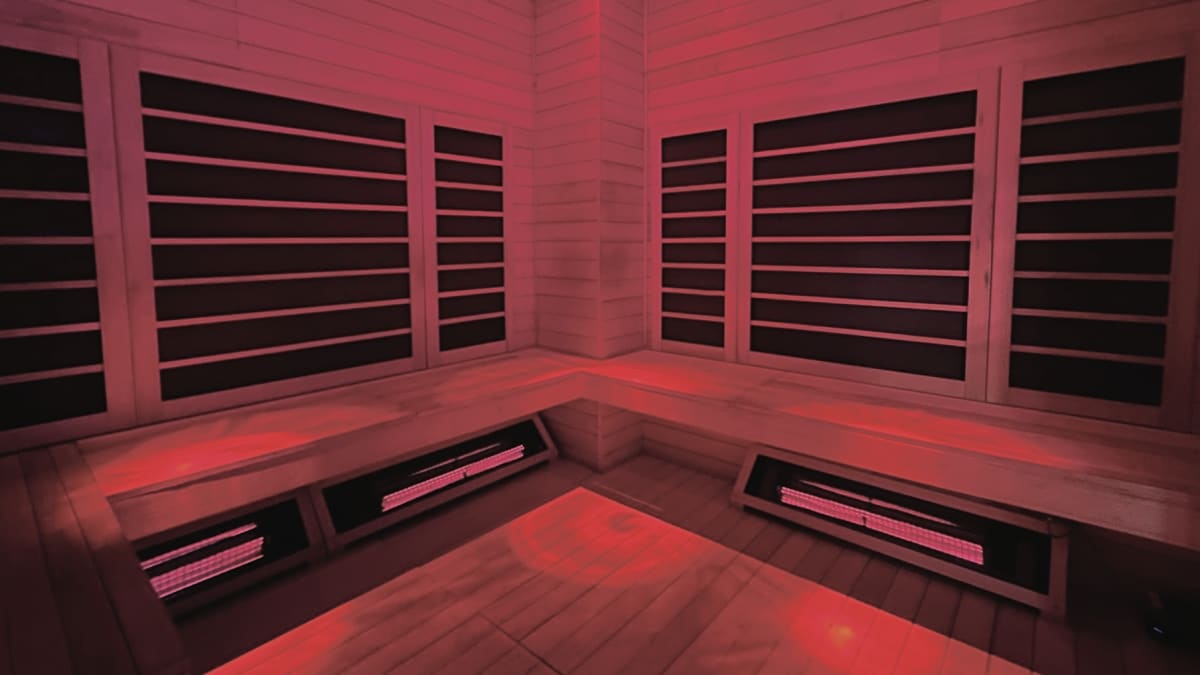
Heat therapy for recovery has been studied in several forms — hot water immersion, traditional saunas, and infrared saunas. The mechanisms are well-understood: heat increases blood flow, delivers more oxygen and nutrients to damaged tissue, and activates heat shock proteins that support cellular repair.
A 2015 study on infrared sauna and exercise recovery found that infrared sauna use after exercise reduced delayed-onset muscle soreness and accelerated the recovery timeline. Infrared saunas are particularly interesting because they heat your body’s tissues directly using infrared light waves rather than superheating the air, operating at a more comfortable 120-150 degrees compared to traditional saunas at 150-190 degrees.
Research on regular sauna use extends beyond soreness. A large Finnish cohort study published in JAMA Internal Medicine found significant cardiovascular benefits associated with frequent sauna bathing. Additional research suggests sauna use promotes improved sleep quality by triggering a post-session drop in core body temperature — the same signal that helps your body initiate sleep.
There’s also emerging evidence that heat exposure activates heat shock proteins (HSPs), which play a role in muscle repair and adaptation. A review in the Journal of Applied Physiology outlined how HSPs contribute to stress tolerance and cellular protection during recovery.
The practical takeaway: heat therapy — whether from a hot bath, traditional sauna, or infrared sauna — has legitimate supporting evidence for recovery. It’s not magic, but it’s more than placebo. Using the sauna 2-3 times per week after training or on rest days is a reasonable evidence-based protocol.
For a deep dive on infrared sauna specifically, read our full guide on infrared sauna benefits at the gym.
Cold Therapy and Ice Baths
Evidence tier: Limited/Mixed Evidence
Cold water immersion (CWI) and ice baths are having a cultural moment, driven largely by social media and high-profile advocates. The science is more nuanced than the hype suggests.
What cold therapy does well: A meta-analysis in the British Journal of Sports Medicine found that cold water immersion (10-15 degrees Celsius for 10-15 minutes) reduced subjective muscle soreness more than passive recovery.
The complication for muscle growth: A 2015 study in the Journal of Physiology found that cold water immersion after strength training blunted anabolic signaling pathways responsible for hypertrophy. A follow-up study confirmed that regular post-training cold exposure reduced long-term muscle mass and strength gains compared to active recovery. The inflammation you’re trying to suppress may actually be part of the adaptation signal your muscles need.
Practical recommendation: If your primary goal is building muscle, avoid cold immersion after lifting. For endurance athletes, multi-day competitions, or acute injury, cold therapy has clearer applications. If you enjoy cold plunges for mental clarity, separate them from strength sessions by several hours.
Recovery Supplements: What Works and What Doesn’t
Protein Powder — Strong Evidence
Not a recovery supplement per se — it’s a convenient way to hit your daily protein target. The ISSN position stand on protein confirms that supplemental protein supports recovery when total daily intake is adequate. Useful if you struggle to eat enough protein from food; unnecessary if you’re already hitting 0.7-1.0g per pound through meals.
Creatine Monohydrate — Strong Evidence
The most studied sports supplement in existence. A comprehensive ISSN review confirmed that creatine monohydrate increases strength, power output, and lean body mass. For recovery specifically, it may reduce exercise-induced muscle damage and supports faster glycogen replenishment when combined with carbohydrates. Take 3-5 grams daily — doesn’t need to be timed around workouts.
BCAAs — Insufficient Evidence (if protein intake is adequate)
BCAAs are heavily marketed for recovery, but a 2017 ISSN review concluded they provide no meaningful benefit above adequate total protein intake. If you’re eating enough protein, you’re already getting plenty of BCAAs. Save your money.
Glutamine — Insufficient Evidence
A review in the European Journal of Applied Physiology found no significant benefit of glutamine supplementation on exercise performance or recovery in healthy individuals with adequate protein intake. Your body produces enough on its own.
Tart Cherry Juice — Moderate Evidence
Tart cherries contain anthocyanins with anti-inflammatory properties. A 2010 study found that tart cherry juice reduced markers of muscle damage after strenuous exercise, and a systematic review confirmed modest reductions in DOMS and inflammation. Drink 8-12 ounces of actual tart cherry juice (not cherry-flavored drinks) around hard training days. Not essential, but one of the few supplements with decent research behind it.
Signs You’re Not Recovering Enough
Knowing when your recovery is falling short is just as important as knowing how to recover. The European Journal of Sport Science identifies mood disturbance as one of the earliest markers of overtraining. Watch for these warning signs:
- Performance decline over multiple sessions — If weights that felt manageable two weeks ago suddenly feel heavy across several workouts, something is off
- Persistent soreness beyond 72 hours — DOMS lasting 4+ days after a routine workout suggests overwhelmed recovery capacity
- Disrupted sleep — Paradoxically, overtraining causes insomnia despite exhaustion due to elevated cortisol
- Mood and motivation changes — Chronic irritability, flatness, or loss of desire to train
- Increased illness frequency — Catching every cold signals chronic immune suppression from under-recovery
- Elevated resting heart rate — A resting HR consistently 5-10 BPM above baseline indicates accumulated fatigue
What to do about it: More sleep, better nutrition, a deload week (reducing volume by 40-50%), or an extra rest day. The fix is almost always unglamorous. If symptoms persist beyond two weeks, consider consulting a sports medicine professional.
For a ranked comparison of recovery methods based on the evidence above, see our recovery methods ranked breakdown.
Frequently Asked Questions
What is the best recovery method after a workout?
The combination of adequate sleep (7-9 hours), sufficient protein (0.7-1.0g per pound of body weight), and proper hydration accounts for the vast majority of your recovery capacity. Everything else is supplementary. If you can only focus on one thing, prioritize sleep — growth hormone release during deep sleep drives muscle repair, and no supplement can compensate for chronic sleep deprivation. After the Big Three, active recovery and heat therapy are the next most evidence-supported options.
Do ice baths actually help with muscle recovery?
Ice baths reduce perceived muscle soreness in the short term, and the research supports that specific claim. However, the picture is more complicated for people whose primary goal is building muscle. Studies show that regular cold water immersion after strength training can blunt the muscle-building signals (specifically, satellite cell activity and anabolic signaling) that drive hypertrophy. If you’re training primarily for muscle growth, habitual post-workout cold immersion may work against you. Ice baths make more sense for endurance athletes, during competitive seasons with back-to-back events, or for managing acute inflammation from injury. If you enjoy them for the mental health benefits, consider separating them from your strength sessions by at least 4-6 hours.
How long does muscle recovery actually take?
Recovery timelines vary based on training intensity, muscle group, experience level, and individual factors. As a general framework: small muscle groups (biceps, triceps, calves) typically recover in 24-48 hours, while larger muscle groups (quads, glutes, back) may need 48-72 hours. Beginners often recover faster because they can’t yet generate the same level of muscle damage as advanced lifters. However, these timelines assume you’re sleeping well, eating adequately, and not under unusual life stress. Poor sleep, caloric deficits, or high psychological stress can extend recovery by 50% or more. The most practical marker: if you can perform your next session at or above previous performance levels, you’ve recovered sufficiently.
Are recovery supplements worth the money?
Two have strong evidence: creatine monohydrate (3-5g daily) and protein powder (when whole food intake falls short). Tart cherry juice has moderate evidence for reducing soreness. BCAAs and glutamine are redundant if you eat enough protein. Focus your budget on quality food and a good mattress — they’ll do more for recovery than any supplement stack.
The Bottom Line
Recovery isn’t complicated, but it does require consistency. The hierarchy is clear:
- Sleep, nutrition, hydration — the foundation that everything else builds on
- Active recovery — light movement on off days
- Heat therapy — saunas, hot baths
- Stretching and mobility — for long-term joint health and movement quality
- Evidence-based supplements — creatine and protein powder
Everything beyond those five layers has diminishing returns. Don’t let flashy recovery products distract you from the basics. Master sleep, dial in your nutrition, stay hydrated, and keep moving on your off days. That’s 90% of the game.
If you’re new to strength training and want to build a program that includes smart recovery practices from day one, start with our complete beginner’s guide to strength training.
Ready to train at a gym that includes recovery tools like an infrared sauna with every membership? View membership options or call (816) 403-4910 — we’re happy to walk you through what’s included.
Written by Deshae Betts, IFBB Pro and owner of Total Body Fitness in Lee’s Summit, MO. She coaches athletes from first-time gym members to competitive bodybuilders and holds certifications in personal training and nutrition.


