
| Deshae Betts, IFBB Pro | Personal Training | 7 min read
Competition Prep Coaching in Kansas City: What to Look For
Preparing for a bodybuilding or bikini competition? Here's what separates good prep coaches from the rest — and what your prep journey should actually look like.
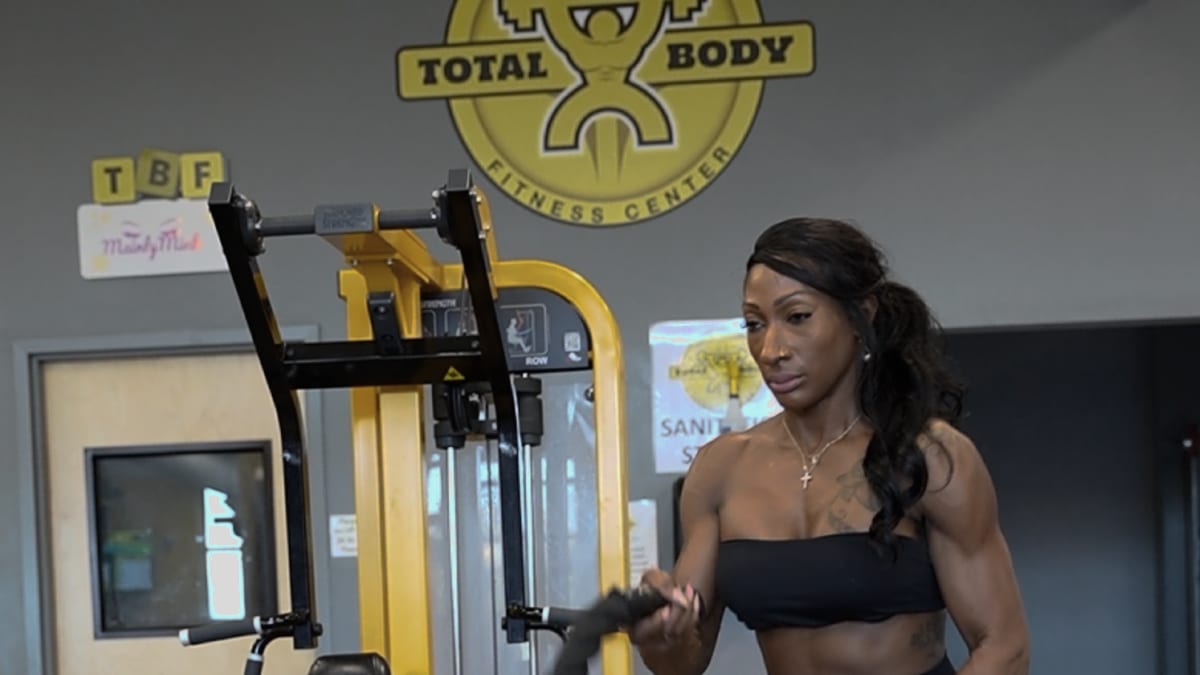
Competition prep coaching covers six critical areas: training programming, nutrition management, cardio prescription, posing practice, peak week protocols, and mental support — all coordinated to bring you to your best condition on a specific date. When evaluating a prep coach, look at their track record with actual competitors, their experience in your specific division, their communication responsiveness, and whether their nutrition philosophy uses moderate deficits rather than extreme restriction. Most first-time competitors need 16-20 weeks of active prep, with an additional 6-12 months of building phase beforehand for the best results.
Competition Prep is a Different Game
Walking into a gym and working out is one thing. Stepping on a bodybuilding or bikini stage is something else entirely. Competition prep requires precise manipulation of training, nutrition, cardio, posing, peak week protocols, and mental preparation — all timed to peak on a specific date.
The difference between doing this well and doing it poorly often comes down to your coach. A great prep coach can be the difference between an IFBB pro card and a disappointing showing. A bad one can damage your metabolism, your confidence, and your relationship with food.
Here’s what to look for if you’re considering competing in the Kansas City area.
What a Prep Coach Actually Does
Training Programming
Your coach designs your training split and adjusts it throughout prep. Early prep might focus on bringing up weak body parts. As the show approaches, the focus shifts to maintaining muscle while in a caloric deficit. Volume, intensity, and exercise selection all change as your body changes.
Nutrition Management
This is where prep lives or dies. Your coach sets your macros (protein, carbs, fats) and adjusts them week by week based on your progress. They manage refeeds, diet breaks, and the gradual caloric reduction that brings you to stage-lean condition.
A good coach makes small, strategic adjustments. A bad coach slashes your calories and adds excessive cardio at the first sign of a stall.
Cardio Programming
Cardio during prep is a tool, not a punishment. Your coach prescribes the type, duration, and frequency based on where you are in prep, how your body is responding, and how much room is left in your nutrition to cut.
Posing Coaching
You can have the best physique on stage and lose to someone who presents better. Posing is a skill that requires practice, feedback, and refinement. Your coach should either teach posing directly or connect you with a qualified posing coach.
Peak Week
The final week before a show involves specific protocols for water, sodium, carbohydrates, and training to present your best possible look on stage day. This is where experience matters most — peak week mistakes can undo months of preparation.
Mental Support
Prep is mentally grueling. You’ll be hungry, tired, and emotional. A good coach checks in on your mental state, not just your physique. They know when to push and when to pull back.
How to Evaluate a Prep Coach
Track Record
This is non-negotiable. Ask:
- How many athletes have they prepped?
- What are their athletes’ results? (Wins, placings, pro cards)
- Can you see before/after photos or competition photos?
- Can you talk to a current or former athlete?
Results don’t lie. A coach with a history of bringing athletes in conditioned and competitive is worth the investment. One with no track record — or a history of athletes coming in soft — is a risk.
Experience With Your Division
Bodybuilding divisions have different criteria. Men’s physique is judged differently than classic physique. Bikini is different from figure, which is different from wellness. Your coach should have specific experience with the division you’re entering.
Communication Frequency
During prep, things change fast. You need a coach who responds to check-ins within 24 hours, reviews your progress photos carefully, and makes timely adjustments. A coach who disappears for days during peak week is unacceptable.
Nutrition Philosophy
Ask about their approach to dieting. Red flags include:
- Extremely low calories from the start
- Eliminating entire food groups without reason
- Excessive cardio prescriptions (2+ hours daily)
- No refeeds or diet breaks during a 16-20 week prep
- “One size fits all” macro templates
A good coach uses moderate deficits, preserves as much muscle as possible, and brings you in lean without destroying your metabolism.
Post-Show Plan
What happens after the show matters as much as the prep. A responsible coach has a reverse dieting plan to bring your calories back up gradually, preventing the rapid weight rebound that plagues many competitors.
If a coach has no post-show plan, they don’t understand the full picture.
The Prep Timeline
A typical first competition prep looks like this:
| Phase | Timeline | Focus |
|---|---|---|
| Building/off-season | 6-12+ months before | Adding muscle, improving weak points |
| Pre-prep | 4-6 months before | Establishing baseline nutrition, dialing in training |
| Active prep | 12-20 weeks out | Caloric deficit, increased cardio, posing practice |
| Peak week | Final 7 days | Water, sodium, carb manipulation |
| Show day | Competition | Stage presentation, posing |
| Reverse diet | Post-show | Gradual caloric increase, mental recovery |
Most coaches recommend at least 16-20 weeks of active prep for a first show. Rushing prep leads to muscle loss, extreme dieting, and a worse stage look.
Competition Prep at Total Body Fitness
Total Body Fitness is home to The Hive, our competition coaching program led by IFBB Pro Deshae Betts. Our team has coached athletes to wins across multiple NPC and IFBB divisions — from first-time competitors to athletes earning their pro cards.
Our facility includes a dedicated posing room with competition lighting and mirrors — a rare resource that most gyms don’t offer. Athletes can practice posing in conditions that simulate the actual stage.
We coach athletes in NPC Bikini, Figure, Wellness, Men’s Physique, Classic Physique, and Bodybuilding divisions.
Frequently Asked Questions
How long is competition prep for bodybuilding?
Most coaches recommend 16-20 weeks of active prep for a first show, though experienced competitors who stay relatively lean in the off-season may need only 12-16 weeks. Rushing prep leads to excessive muscle loss, extreme caloric restriction, and a worse stage presentation. Before active prep begins, you should ideally spend 6-12 months in a building phase to develop the muscle and conditioning base that prep will reveal.
How much does a competition prep coach cost?
Competition prep coaching in the Kansas City area typically ranges from $150-400 per month, depending on the coach’s experience and what’s included. Some coaches charge separately for posing, nutrition, and training programming. At Total Body Fitness, The Hive competition coaching program bundles training, nutrition, posing, and peak week guidance into a comprehensive package. Contact us at (816) 403-4910 for current pricing.
Do I need a coach for my first bodybuilding or bikini show?
You don’t technically need one, but the success rate is dramatically higher with experienced coaching. Competition prep involves precise manipulation of training, nutrition, cardio, water, and sodium — and the timing of each matters. Peak week mistakes can undo months of preparation. A coach who has prepped athletes through multiple shows knows what adjustments to make and when, which is nearly impossible to learn from online resources alone.
When should I start preparing for a bodybuilding competition?
Start the conversation with a coach at least 8-12 months before your target show date. This allows time for a proper building phase to develop your physique, followed by 16-20 weeks of active prep. If you’re brand new to resistance training, give yourself 1-2 years of consistent lifting before considering competition — you need a muscle base before prep can be effective. The Hive at Total Body Fitness offers initial consultations to assess your readiness and build a realistic timeline.
Submit a competition prep inquiry or call (816) 403-4910 to discuss your goals.
For a broader look at training options, read our complete guide to personal training in Lee’s Summit.
Written by Deshae Betts, IFBB Pro and owner of Total Body Fitness in Lee’s Summit, MO. She coaches athletes from first-time gym members to competitive bodybuilders and holds certifications in personal training and nutrition.


